Why Scalable Software Matters for Growing Businesses
As businesses grow and evolve within an increasingly competitive digital environment, their operational requirements naturally become more complex and demanding. What may initially function as a simple and efficient system at an early stage can quickly become insufficient as user traffic increases, data volume expands, and business processes become more intricate. Many organizations begin with basic digital solutions that are designed for short-term functionality rather than long-term growth, which leads to performance limitations, system instability, and the inability to support new features or integrations over time. This growing gap between system capability and business demand highlights the critical importance of scalability as a foundational principle in modern software development, ensuring that systems are built not only for current needs but also for future expansion.
Scalable software goes beyond the simple concept of handling a larger number of users; it represents the ability of a system to consistently maintain performance, reliability, and efficiency even as workloads increase and operational demands evolve. Without scalability, businesses often find themselves trapped in cycles of repeated redevelopment, where systems must be partially or completely rebuilt to accommodate growth, resulting in increased costs, wasted resources, and delays in execution. This lack of scalability can also lead to poor user experiences, reduced system responsiveness, and operational inefficiencies that ultimately hinder innovation and slow down overall business progress. In contrast, scalable systems provide a stable and adaptable foundation that supports continuous improvement, allowing organizations to expand confidently without being constrained by technical limitations.
Understanding Scalability in Practical Terms
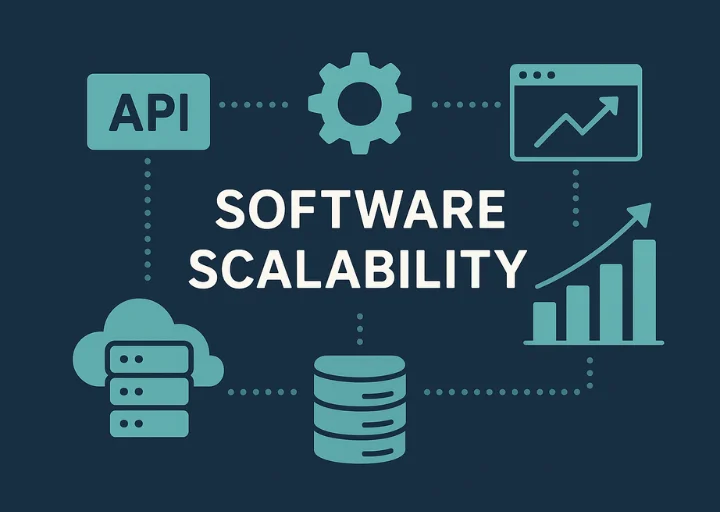
Scalability, in practical terms, refers to the capability of a software system to handle increasing workloads, user demands, and data processing requirements without compromising its performance, stability, or reliability. This is typically achieved through a combination of efficient system architecture, modular design principles, and optimized infrastructure that allows different components of the system to expand independently as needed. A well-designed scalable system ensures that growth does not introduce bottlenecks, downtime, or degradation in performance, thereby maintaining a consistent and seamless experience for users regardless of scale.
From accommodating higher volumes of user traffic to enabling the seamless integration of new features, functionalities, and third-party services, scalable systems provide the flexibility required for long-term sustainability and adaptability. This flexibility allows businesses to focus on strategic growth initiatives, innovation, and market expansion rather than being forced to continuously address technical limitations or system failures. By investing in scalability from the beginning, organizations can create a strong technological foundation that supports both current operations and future ambitions in a structured and efficient manner.
Scalable systems are not built for today—they are designed for where your business is going tomorrow.
Impact on Business Growth
When software systems are designed with scalability as a core consideration, businesses gain the ability to grow and expand without being restricted by technical limitations or performance bottlenecks. This enables organizations to introduce new features, enhance existing functionalities, enter new markets, and handle increasing volumes of customer interactions without disrupting operations or compromising system stability. A scalable system ensures that as demand increases—whether in terms of users, transactions, or data processing—the underlying technology continues to perform efficiently, supporting consistent service delivery and maintaining a positive user experience.
In contrast, systems that are not built with scalability in mind often require frequent restructuring, redesign, or complete redevelopment as business demands grow. This leads to increased development costs, extended timelines, and operational inefficiencies that can slow down progress and reduce overall productivity. Additionally, performance issues such as slow response times, system crashes, or limited functionality can negatively impact customer satisfaction and damage brand perception. Over time, these limitations can create significant barriers to growth, making scalability a critical factor in ensuring long-term business success.
Technical Foundations of Scalable Systems
Building scalable software requires a well-planned and structured approach that combines strong architectural design, efficient database management, optimized code practices, and the use of modern infrastructure technologies. A robust architecture ensures that different components of the system can operate independently and scale as needed, while efficient database design allows for the smooth handling of increasing data volumes without performance degradation. Additionally, writing clean, maintainable, and optimized code plays a crucial role in ensuring that the system remains adaptable and easy to extend over time.
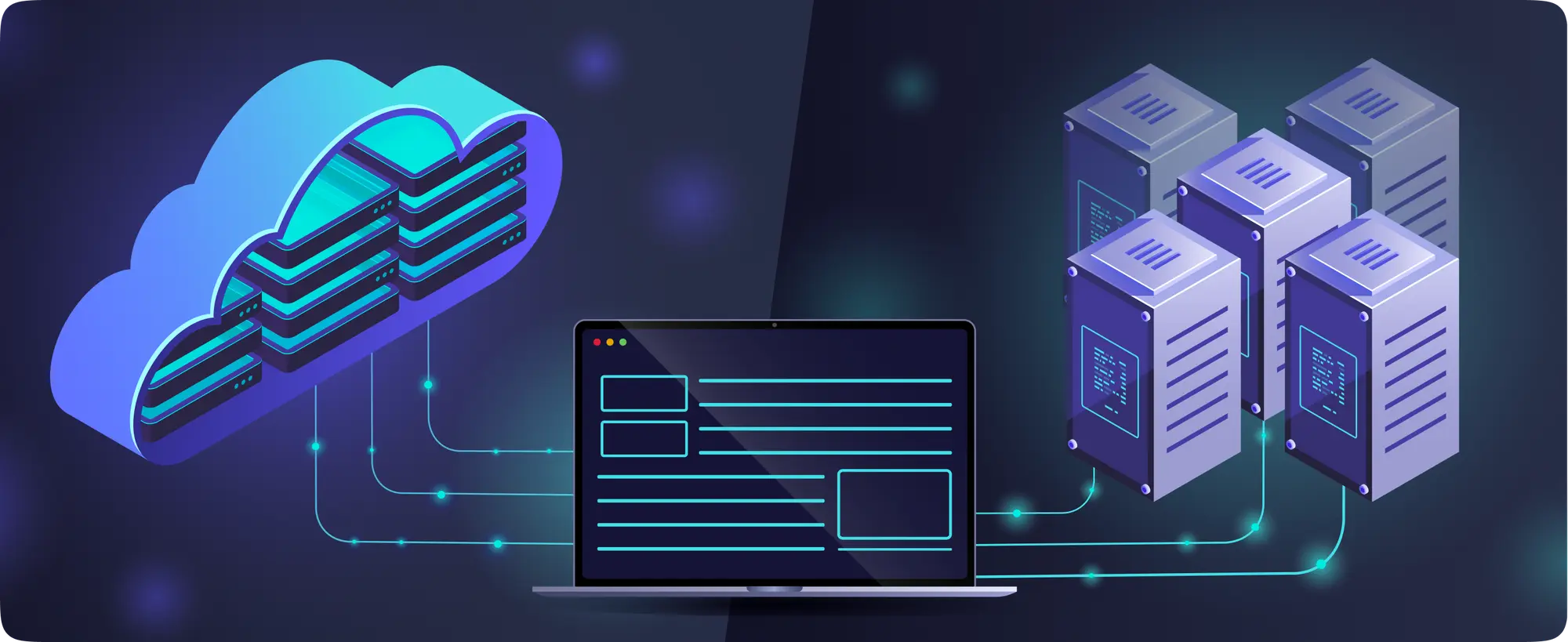
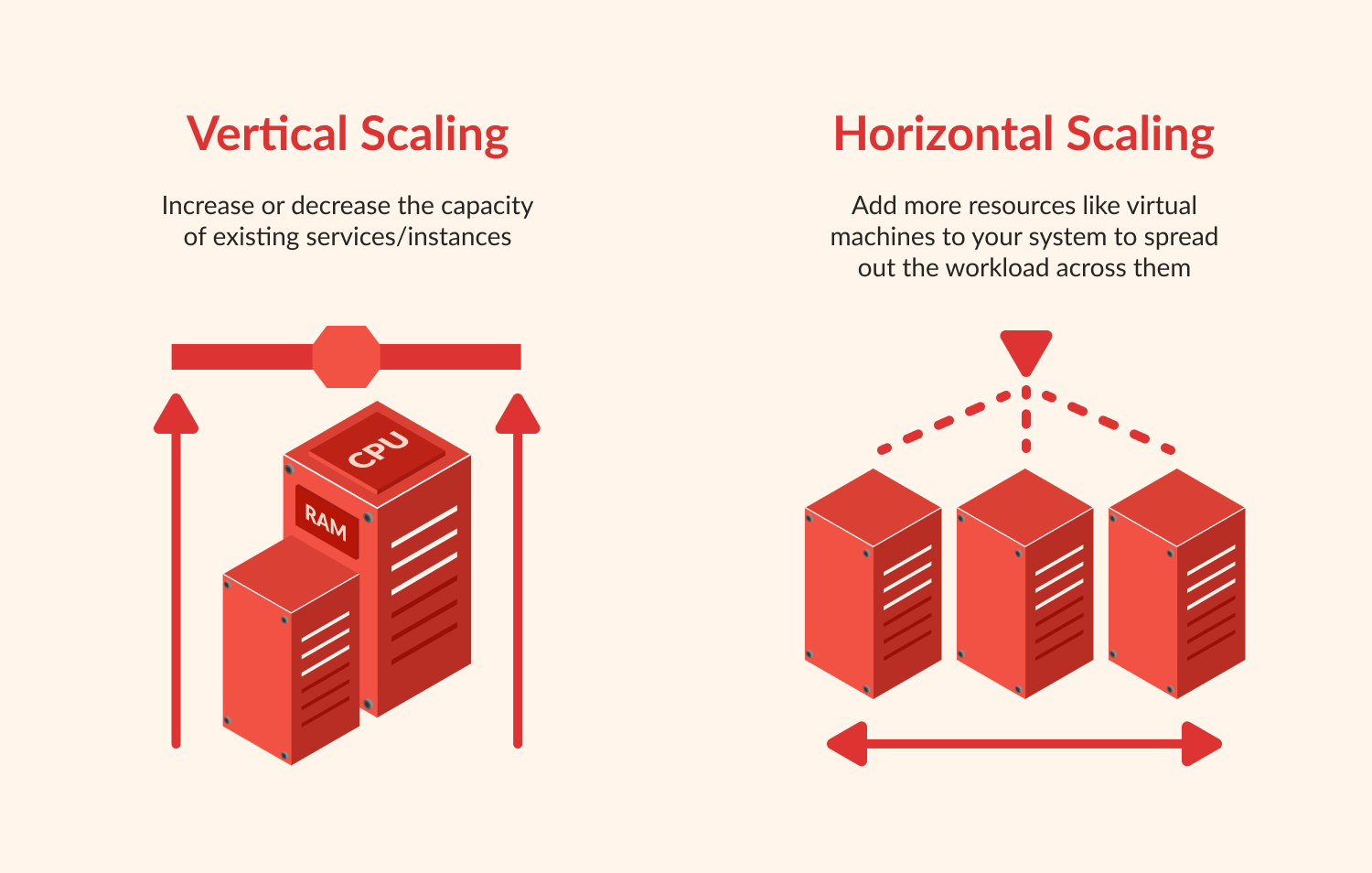
Modern technologies such as cloud computing, microservices architecture, load balancing, and distributed systems provide the technical foundation required to support dynamic scalability. These technologies enable systems to allocate resources efficiently, distribute workloads across multiple servers, and scale automatically based on demand. When implemented correctly, they create a balance between flexibility and stability, ensuring that the system can grow seamlessly while maintaining high performance, reliability, and resilience under varying conditions.
Conclusion
Scalability is not merely an advanced feature or optional enhancement—it is a fundamental requirement for any business that aims to achieve sustainable growth in a rapidly evolving digital environment. By investing in scalable software solutions from the outset, organizations can avoid the limitations associated with rigid systems, reduce long-term development and maintenance costs, and build a strong technological foundation that supports continuous expansion and innovation.
A well-designed scalable system transforms technology from a potential constraint into a powerful enabler of business growth. It allows organizations to operate efficiently, respond effectively to changing market demands, and confidently adapt to future challenges without requiring constant system overhauls. In this way, scalability becomes a strategic advantage, ensuring that digital infrastructure remains aligned with long-term business objectives and growth ambitions.